How to Build Stronger GP-LP Relationships: Complete 2026 Guide
Strong GP-LP relationships are the defining factor for fund success amid the current VC industry reset. This guide distills actionable frameworks for engagement, trust, and co-investment excellence from top-tier firms: FJ Labs, Mubadala Ventures, and Teralys Capital.
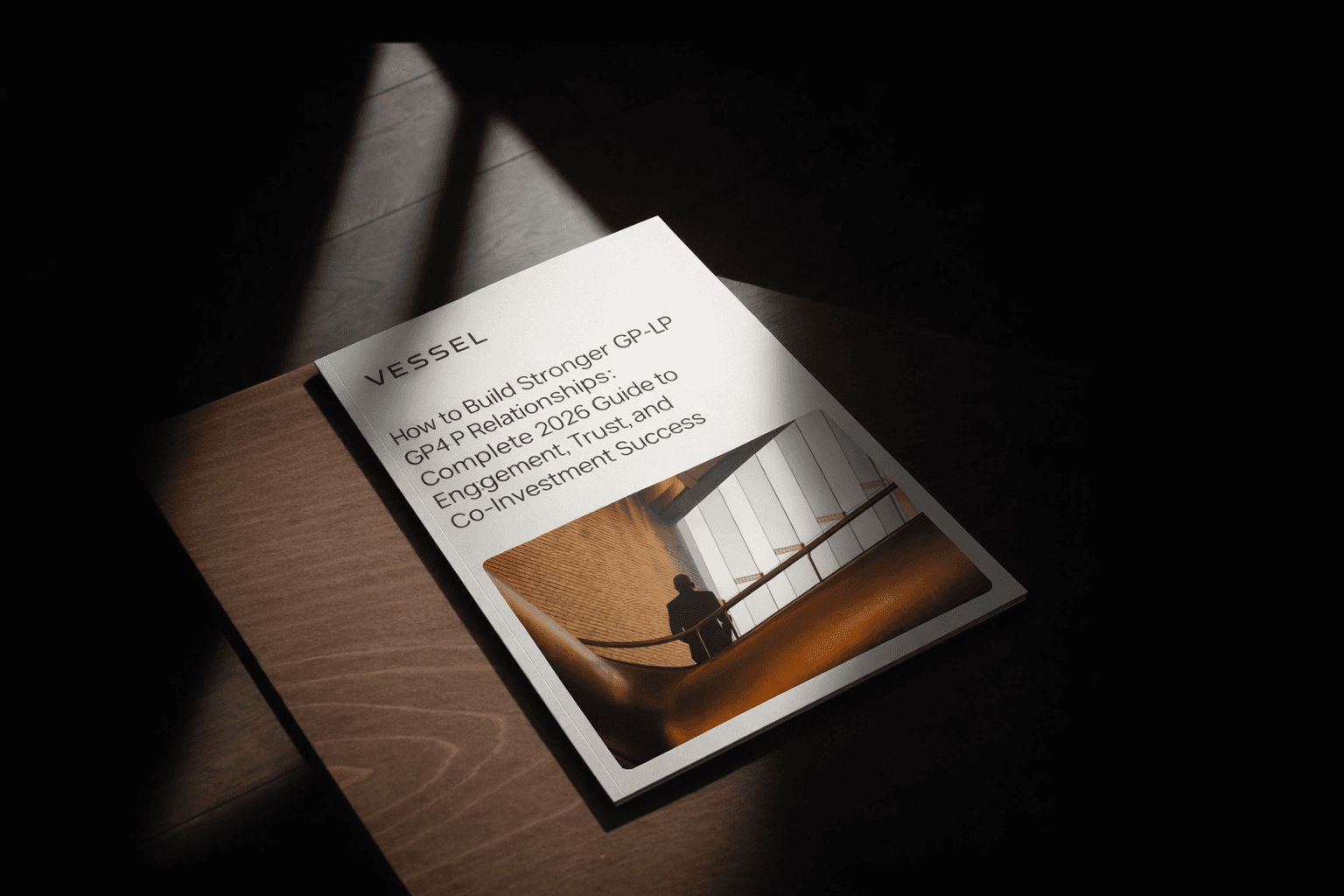
Published by

Vessel
Featured industry experts
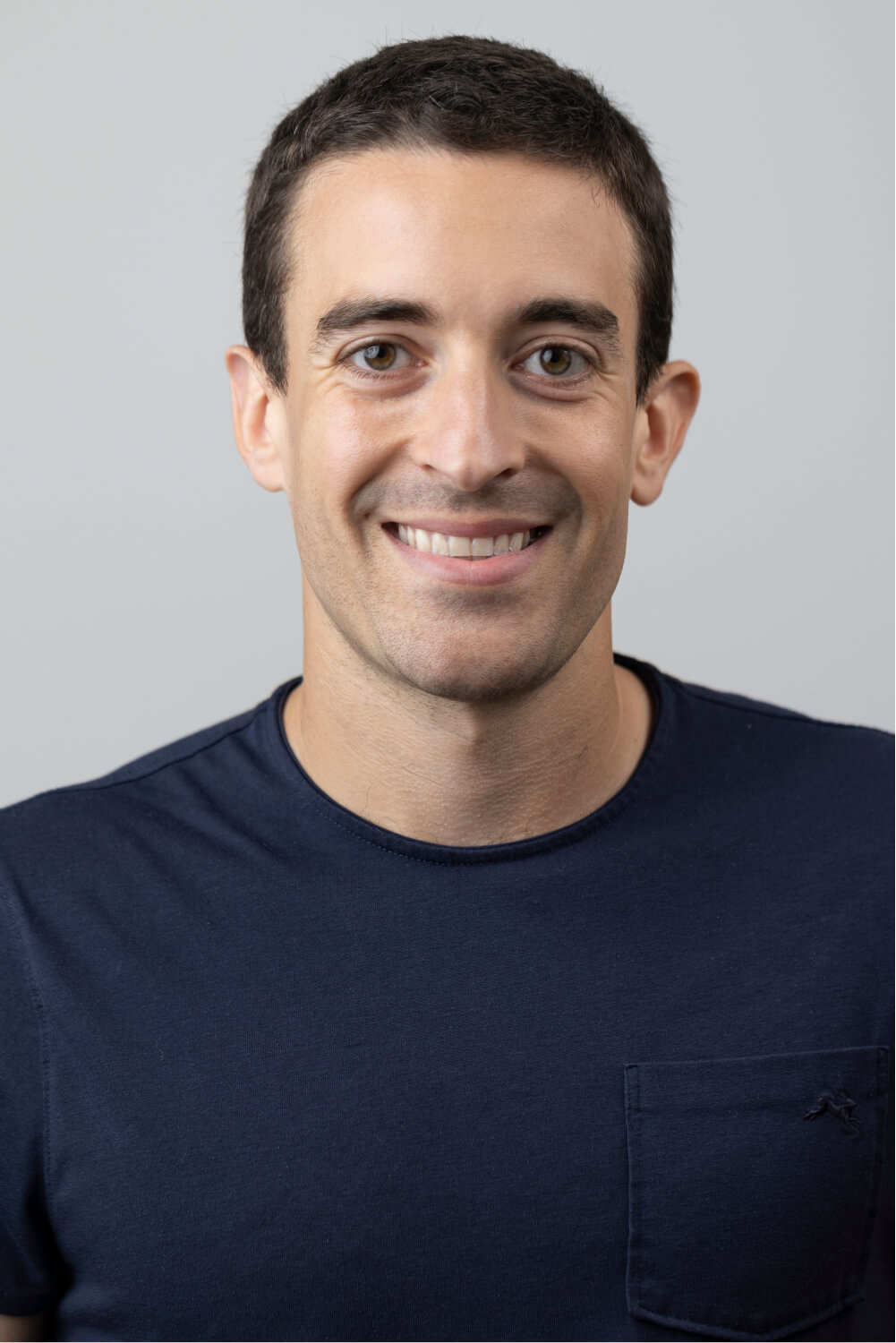
Jeff Weinstein
Partner, FJ Labs
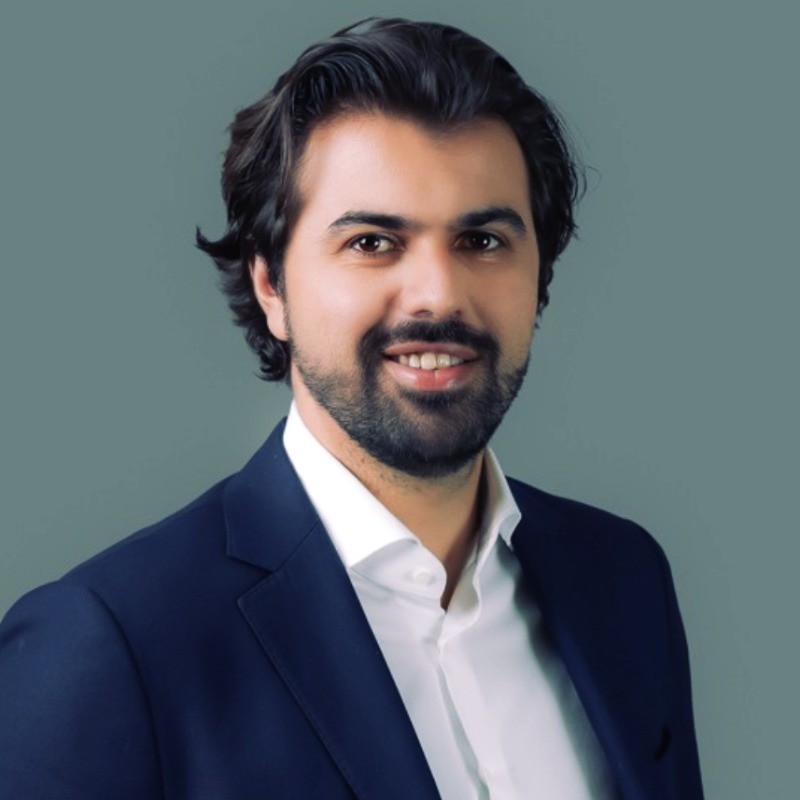
Georges Ghazal
Senior Associate, Teralys Capital
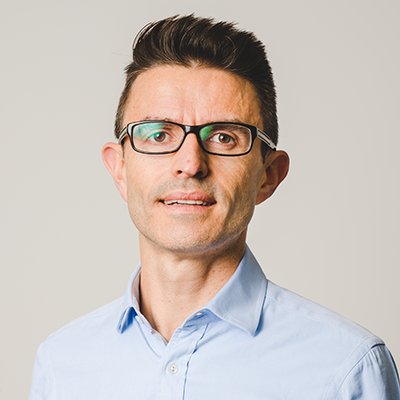
Frederic Lardieg
Partner, Mubadala Ventures
Target audience
General Partners (GPs), Limited Partners (LPs), Wealth Advisors, Venture Capitalists
SHARE THIS
Executive Summary
The venture capital industry is experiencing its most significant reset in over two decades, with European fundraising activity falling to its slowest level in a decade and fundraising cycles extending to 18-24 months. In this environment, the quality of GP-LP relationships has become the defining factor separating successful fund managers from those struggling to survive. This guide provides actionable frameworks for building lasting partnerships based on insights from FJ Labs, Mubadala Ventures, and Teralys Capital, representing over $5 billion in combined assets under management.
Key Statistics:
European VC fundraising has fallen to its slowest pace in 10 years
Average fundraising cycles now extend 18-24 months (up from 12-18 months historically)
Co-investments and secondaries are the only two sectors showing consistent growth
Top-performing funds of funds report co-investments represent 20-25% of total fund size
FJ Labs invests in 100+ companies annually across 50 countries with under 100 LPs
Teralys Capital manages $2.5 billion across 80+ fund investments over 15 years
Mubadala Ventures manages €450 million in early-stage investments plus fund of funds
What You'll Learn:
The five stages of grief for GPs in the current market and where the industry stands today
How LPs evaluate fund managers beyond performance metrics
The tangible and intangible factors that drive re-up decisions
How to structure co-investment programs that strengthen LP relationships
Communication frameworks that build trust over multiple fund cycles
Technology and data-sharing best practices that differentiate top-performing GPs
Understanding the Current Market Reality
The VC Industry Reset: More Than a Cycle
The venture capital industry is undergoing a fundamental transformation that goes beyond typical market cycles. What many GPs initially perceived as a temporary downturn has revealed itself as a structural reset that is reshaping the entire asset class.
Definition: A market reset in venture capital refers to a fundamental rebalancing of capital allocation, fund formation, and return expectations that establishes new baseline norms for the industry, distinct from cyclical fluctuations that eventually return to previous patterns.
Jeff Weinstein, Partner at FJ Labs, describes the current environment as both painful and necessary: "What we're undergoing right now is almost like a rebirth and a renewal. There was such a Cambrian explosion of new fund managers and capital that rushed into venture as it became such a popular asset class. While it's painful for many market participants, I actually think this is just a healthy reset that's taking place."
Current Market Indicators:
Metric | Historical Norm | Current State | Change |
Fundraising cycle length | 12-18 months | 18-24 months | +50% |
First-time fund success rate | Moderate | Very low | Significant decline |
LP sentiment | Growth-oriented | Defensive | Major shift |
DPI expectations | Patient | Urgent | Heightened scrutiny |
Fund count trajectory | Growing | Declining | Reversal |
The Five Stages of Grief for GPs
Industry observers have noted that GPS are progressing through what can be characterized as five stages of grief in response to the market transformation.
Georges Ghazal from Teralys Capital provides the LP perspective: "Maybe a year or two ago, a lot of people were still in denial. They were hoping that the 2021 playbook would come back, that valuations would bounce, that exits would reopen overnight. Then we went through a bit of anger with tough rounds, slower fundraising, and a lot of finger pointing. Now we're into the bargaining phase, trying to find middle ground with smaller fund sizes, more disciplined pacing, and new fund structures."
The Five Stages in Venture Capital:
Stage 1: Denial (2022-Early 2023) GPs believed the downturn was temporary and maintained 2021 strategies expecting a rapid recovery. Many continued aggressive deployment pace and maintained high valuation expectations.
Stage 2: Anger (2023) As reality set in, frustration emerged through difficult down rounds, contentious board discussions, and blame directed at market conditions, LPs, or portfolio companies.
Stage 3: Bargaining (2023-2024) GPs began adapting through smaller fund sizes, extended fundraising timelines, modified fee structures, and new approaches to LP engagement.
Stage 4: Depression (Ongoing for some) Some managers facing extended fundraising challenges without successful adaptation have experienced significant operational stress.
Stage 5: Acceptance (Where top managers are today) The best fund managers have embraced the new reality and are thriving by focusing on fundamentals, building deeper LP relationships, and creating genuine value.
Fred Lardig, Partner at Mubadala Ventures, provides historical context: "I was there during the first cycle, during the Internet bubble. When the previous bubble popped, everybody thought that the Internet was going absolutely nowhere. Tech was nowhere. This time around it's completely different. The whole world is convinced that tech is going to change the world. AI is here. People believe in tech today but they have stopped investing in VCs. It's just a cyclical thing where there's a question of DPI that didn't happen over the past three to four years."
Market Concentration and the Barbell Effect
The current environment has created a pronounced barbell effect where capital flows to either end of the spectrum while the middle struggles.
The Barbell Dynamic:
Position | Characteristics | Current Outcome |
Large established platforms | Fund 5+, proven track record, established LP base | Successful fundraising |
Boutique specialists | Small funds, differentiated strategy, spin-out teams | Viable path forward |
Mid-market generalists | Fund 2-4, undifferentiated strategy, limited track record | Significant challenges |
Jeff Weinstein articulates this dynamic: "You see sharks and minnows where you don't want to be in the middle. You can have nice boutique managers that raise small funds and the good ones will be fine. And then you have the established platforms. For sure it's a dismal fundraising environment unless you're past fund 5 or 6 with an established LP base and track record, or if you're small, emerging, and a spin-out."
How LPs Evaluate Fund Managers: Beyond Performance Metrics
The Tangible Metrics: Fund Performance Fundamentals
While relationships matter enormously, LPs still anchor their decisions on quantifiable performance metrics that demonstrate a GP's ability to generate returns.
Primary Performance Metrics:
TVPI (Total Value to Paid-In Capital): The most commonly cited metric combining realized and unrealized value. LPs use TVPI to assess overall portfolio health and compare managers within the same vintage year.
DPI (Distributions to Paid-In Capital): Increasingly important in the current environment as LPs face pressure to demonstrate actual cash returns rather than paper gains. Fred Lardig notes: "There's a question of DPI that didn't happen over the past three to four years and hopefully money should flow back to VC en masse."
IRR (Internal Rate of Return): Time-weighted return metric that accounts for the timing of capital deployment and distributions. Particularly relevant for comparing funds of different sizes and deployment paces.
The Intangible Factors: What Really Drives Re-Up Decisions
Beyond the quantifiable metrics, LPs evaluate a constellation of intangible factors that often prove decisive in allocation decisions.
Strategic Alignment:
Georges Ghazal explains Teralys's approach: "We have a very long-term investment strategy. We think about portfolio construction first. We don't chase the hottest trend. We think about balance when we invest, balance across geographies, stages, and sectors. We try to make sure that every new fund brings something unique to the table."
Clarity of Strategy:
LPs seek GPs who demonstrate clear understanding of their competitive advantages and investment approach.
Key Questions LPs Ask:
Does the GP know what they're good at and how they win?
Do they have a sourcing edge, deep operator network, or repeat founder flywheel?
Is there access to deals that other funds cannot reach?
Discipline and Alignment:
Georges Ghazal emphasizes the importance of behavioral signals: "Things like pacing, ownership targets, reserves management, the GP commitment made by the GP into its own fund, the carry structure. These are all smaller subtle signals that tell you how the manager actually behaves when the market turns."
The Single Most Important Intangible
When asked about the most critical factor beyond performance, all three speakers converged on a single principle.
Jeff Weinstein articulates it directly: "There's a factor that's not on here that I think is more important than all of these, which is: Did you do what you said you were going to do? Style drift is the killer of trust and relationships. If you say we're going to invest in XYZ and then you do something totally different, that can actually be more important than performance because you're not doing what you said you were going to do and LPs underwrite you for that reason."
Definition: Style drift occurs when a fund manager deviates from their stated investment strategy, whether through changes in stage focus, sector concentration, geography, or check size, without transparent communication to LPs.
Style Drift Warning Signs:
Category | Original Mandate | Style Drift Example |
Stage | Seed focus | Writing Series B checks |
Sector | Enterprise SaaS | Consumer investments |
Geography | North America | Significant emerging market exposure |
Check size | $500K average | $5M+ concentration bets |
Ownership | 10-15% target | Sub-5% spray and pray |
Engagement as a Source of Alpha for GPs and LPs
The Communication Imperative
Effective communication has emerged as a critical differentiator in the current environment. LPs increasingly view communication quality as a proxy for operational excellence and partnership potential.
Fred Lardig describes the baseline expectation: "The best GPs for us are the ones who introduce us to the founders of the companies that are doing really well in their portfolio early on. We try to have regular contact with our GPs. We sit down with them once every quarter and sometimes even more often over WhatsApp."
Communication Frequency Framework:
Touchpoint | Recommended Frequency | Purpose |
Quarterly LP calls | Every quarter | Portfolio updates, market context |
WhatsApp/informal updates | Monthly or as needed | Real-time developments |
Annual General Meetings | Annually | Deep-dive portfolio reviews |
LPAC meetings | Semi-annually | Governance and strategic input |
Co-investment updates | As opportunities arise | Deal-specific engagement |
What Kills Re-Ups: The Communication Failure Mode
Fred Lardig provides a stark warning about communication failures: "Things that can kill a re-up for us could be if there's no more communication. When we invest in a GP, it's very clear with us. We want constant communication. We want to know which companies in the portfolio are doing well. And there are some GPs we don't hear about after Q1. Those ones don't even make it to the next IC. There's not going to be a re-up."
He continues with a common pattern: "Sometimes they forget. They come back two years later when they start fundraising again. They're like, 'Oh, I forgot to talk to you for like two years.' Like, yeah, it's not going to happen."
The Communication Death Spiral:
GP closes fund and shifts focus to deployment
Communication becomes sporadic, limited to required reporting
LP loses visibility into portfolio performance and GP thinking
Market conditions change, LP has questions, GP is unresponsive
Re-up decision time arrives, LP has no relationship foundation
GP suddenly reaches out to fundraise, LP declines
Building Value Beyond Fund Returns
Top GPs create value for their LPs through multiple channels beyond pure financial returns.
FJ Labs Model: Customized LP Relationships
Jeff Weinstein describes their approach: "We have a very consolidated LP base. Across the entire firm, across four funds, I think we have under a hundred LPs. As a result, I try to actually tailor the relationship with our LPs as customized as possible."
Value-Add Categories:
For Strategic/Corporate LPs:
Standing calls to walk through market trends
Identification of potential acquisition targets
Direct investment opportunities in portfolio companies
Market intelligence and competitive analysis
Jeff elaborates: "Some of them are corporates and they just purely want to see potential acquisition targets and market intelligence companies they can buy or invest in. We've had companies get bought because of this. We've had companies go direct on the cap table because of this."
For LPs Building Venture Capabilities:
Jeff shares a specific example: "We have one LP that's looking to spin up their own venture practice. We were very helpful in seeding them with deal flow and co-investment opportunities that then helped them build their own track record."
Alternative Model: Lead Edge's Network Approach
Jeff highlights a contrasting but equally effective strategy: "Lead Edge is a growth equity firm. We're LPs with them, they're LPs with us. They have 700 LPs and they use that network and surface area to help add value for their companies. When they are looking to call on the CXO of some HR company, they basically blast it out to their network."
The Elusive LP Platform: A Vision for the Future
Fred Lardig describes an innovative approach to LP engagement: "There's a French VC called Caise Innovation, and their LPs are very large French corporate companies. They've put together a web platform that allows the LPs to get in touch with the startups directly. You can see the whole portfolio, you can see the numbers of the companies if they want to release their numbers to LPs."
Platform Benefits:
Real-time data access: LPs can see portfolio metrics without waiting for quarterly reports
Direct relationship building: Startups and corporate LPs can schedule meetings directly
Commercial synergies: Corporate LPs can identify partnership opportunities
Transparency demonstration: GPs signal confidence through open information sharing
Fred notes the industry-wide opportunity: "As an industry we're doing very, very badly on data sharing. There's a PNL produced by every startup in portfolios every month. Revenue, gross margin, EBITDA, and cash burn. That's what the VCs need and that's what the LPs need. Why can't we just flow this through the whole stack?"
Co-Investments: The Strategic Bridge Between GPs and LPs
Why Co-Investments Matter More Than Ever
Co-investments have emerged as one of the most powerful tools for strengthening GP-LP relationships while providing tangible benefits to both parties.
Georges Ghazal shares Teralys's experience: "We started a co-investment strategy back in 2014 which has turned into one of our biggest success stories. It now represents about 20 to 25% of our total fund size and sits among our top five performers across the entire Teralys platform."
Co-Investment Benefits for LPs:
Benefit | Description | Impact |
Increased exposure | Larger positions in best GP companies | Higher potential returns |
Faster deployment | Capital deployed alongside fund investments | Improved capital efficiency |
Reduced fees | Most co-investments carry zero or minimal fees | Enhanced net returns |
Deeper alignment | GP invests real capital alongside LPs | Stronger partnership signal |
Learning opportunity | Direct exposure to GP's best thinking | Educational value |
Georges elaborates on the alignment aspect: "When a co-investment happens, the GP calls us and says, 'We're putting real money behind this. Come alongside us at the same terms.' It tells us that the GP truly sees LPs as partners."
The GP Perspective: Why Offer Co-Investments
From the GP side, co-investments serve multiple strategic purposes beyond simply filling allocation in hot deals.
Strategic Value of Co-Investment Programs:
LP relationship deepening: Co-investments create shared experience that strengthens partnerships
Re-up positioning: Successful co-investments create compelling re-up narratives
LP base expansion: Quality co-investment access attracts new LP relationships
Competitive differentiation: Co-investment capabilities distinguish managers in fundraising
Jeff Weinstein shares the flip side of LP behavior: "Every LP says they love co-invest. It's a very different story to actually get them to do it."
What Great Co-Investment Processes Look Like
The FJ Labs Model: Prepared Mind Investing
Jeff Weinstein describes their systematic approach: "We can tell which of our companies are breakouts. What we're starting to do now is pre-educating our LPs in advance of even an opportunity. I right now know there are about 10 companies in the portfolio that I would deem breakouts that are going to raise growth rounds in the next 6 to 12 months."
Process Elements:
Early identification: Track portfolio companies showing breakout potential
Pre-marketing: Share company profiles with LPs before rounds are live
Prepared documentation: Detailed memos, data rooms, NDA-gated materials
Capacity planning: Collect LP interest levels and desired investment ranges
Rapid execution: When rounds materialize, LPs can move quickly with prepared minds
Jeff notes: "Whether or not there is an opportunity, I'm putting them on Vessel. I'm writing a detailed memo. To the extent I have a data room that I can make myself or I can get from the company, I put it in there."
The Data Collection Framework:
Jeff describes their LP engagement tool: "On the bottom of it we say, 'What data would you like to have in order to make a decision and what's your minimum desired investment and max?' This is highly contingent, pending lead and terms. But when you have a growth stage company with clear metrics and evidence of product market fit, you can say, 'Provided you raise a hundred million at 500 or something in that ballpark with a tier one lead, I'd be interested.'"
The Teralys Model: Consistent Process Excellence
Georges Ghazal describes the ideal co-investment engagement: "The ideal co-invest is being fully aligned. That happens when the GP calls us early, usually before the round is finalized, and says, 'Here's a deal that we are leading, here's why we believe in it, and here's what we're putting in ourselves.'"
Best Practice Elements:
Early notification before rounds close
Comprehensive due diligence sharing
Clear articulation of GP conviction level
Regular touchpoints during evaluation period
Consistent process across all opportunities
Georges emphasizes the compounding effect: "We've seen GPs who do this systematically. There are a few funds here in Canada that do this very well. Every time there's an opportunity, we see the same data structure, the same process, the same transparency. It makes a huge difference. We really learn to trust."
The Mubadala Model: Building Conviction Early
Fred Lardig describes their differentiated approach: "We like to come in even earlier. Very often when we're excited about a company, we ask for an introduction to the CEO after the Series A. The founder doesn't need to raise money, but we use the credibility we have through the GP. The GP says, 'Do you want to talk to Mubadala? It's one of our LPs. We trust these guys.'"
Early Engagement Benefits:
Extended evaluation period (12-18 months vs. 2-4 weeks)
Independent conviction building through direct CEO relationships
Better positioning for future round participation
Deeper understanding of company trajectory and risks
Fred explains: "That means we are able to see the company progress over the next 12 to 18 months. We can do our own underwriting, build our own conviction on the deal whether we want to do the next round or not."
Common Co-Investment Mistakes to Avoid
GP Mistakes:
Mistake 1: Syndicating without skin in the game
Jeff Weinstein criticizes this pattern: "What I used to see, and we've actually done a little bit of fund of funds ourselves, is frankly a process that is rushed, scarcity-inducing, and all about FOMO. Some other funds, particularly seed funds, are basically syndicating and co-investing all of their Series A opportunities. They'll basically SPV the Series A and won't put any skin in the game."
Mistake 2: Offering every deal rather than curated opportunities
Jeff continues: "We say we want to always invest with conviction in any co-invest we're offering. We don't just shop around co-invest for the sake of it. We want to actually do some vetting on behalf of our LPs."
Mistake 3: Not understanding LP constraints
Jeff notes the asymmetry: "If I'm just offering every Series A or Series B that we have, LPs are going to have a bad time because they're going to try to pick a small handful of them and odds are they're not going to be able to actually identify the winners. That's just not what they're equipped to do."
LP Mistakes:
Mistake 1: Chasing "party deals"
Fred Lardig observes: "Just reflecting on Jeff's point about LPs getting excited about what I call party deals, where everybody jumps in and the valuations are super high. I hate these deals, but a lot of LPs do. It's reassuring that you're paying a very high price somehow in a weird way."
Mistake 2: Prioritizing brand over quality
Jeff shares his frustration: "What can be a source of frustration for me is that LPs flock to the hot AI deals and the big name companies. I might want to steer them to an unsexy compounder, where I know this business has a clear line of sight to a 5-10x. It's profitable, doubling year over year. And we had an amazing co-invest earlier this year and I was shaking our LPs trying to get them to do it. Everyone else said, 'Where's the AI angle?' or 'I don't see Sequoia in this deal.'"
Tracking Co-Investment Value
Fred Lardig describes Mubadala's systematic approach to measuring co-investment value: "When we put together our investment committee memo, there's a KPI that says number of deals that the GPs have sent to us and how many of those have we seriously looked at for potential investment. That's one of the key KPIs for us."
Co-Investment Tracking Framework:
Metric | Description | Target |
Deals shared | Total co-investment opportunities presented | Volume baseline |
Deals evaluated | Opportunities that received serious consideration | Quality filter |
Deals completed | Actual co-investments executed | Conversion rate |
Portfolio alignment | Fit with LP's own investment strategy | Strategic value |
Return performance | IRR/MOIC of co-investment portfolio | Financial outcome |
Real-World Examples: When Intangibles Tip the Scale
Case Study 1: The Early Fund With Strong Co-Investment Fit
Georges Ghazal shares a specific example where relationship factors overcame incomplete track record data: "We had this GP that on paper didn't have the strongest track record because they were raising only their second fund and their first fund was early. They were still deploying it, although there were some good names in the portfolio. But it was simply just too early to have a definitive analysis on the fund itself."
What Tipped the Decision:
"What stood out was that the type of investment they were doing really fit with our own co-investment program. The kinds of companies they were backing, their stage focus, and the way they structured investments all fit really naturally with what we were doing. Because we had already a strong relationship with them as big LPs in their first fund, we knew that if we backed them again, we'd also have real access to those co-investment opportunities."
Outcome: "Even though in that case the hard performance metrics were not fully there yet, the relationship tipped the scale. We decided to commit and it turned out to be a great partnership so far. We just recently completed a co-investment with them."
Case Study 2: Co-Investment as Fund Entry Point
Fred Lardig describes how a co-investment opportunity facilitated a new GP relationship: "We were looking at several GPs in Germany. We wanted to increase our deal sourcing capabilities there. One of them had the intelligence of sharing a really key deal with us."
The Deal:
"The company they shared was HiveMQ. It's a German company, a messaging system for very large scale IoT systems. The backer was Early Bird. They came to us and said, 'Look, there's a round actually happening right now in HiveMQ and if you want, we're going to make space for you.'"
The Outcome:
"So we did the deal in HiveMQ and the commitment to the Early Bird fund at the same time essentially. Since then, HiveMQ is one of the best performers in our portfolio. We invested when they were doing about 5 million revenues, they're about 25 million ARR now. Great trajectory so far."
Case Study 3: Trust Earned Through Co-Investment Success
Jeff Weinstein describes how co-investment performance builds re-up momentum: "Trust is earned over time. By showing LPs and being honest with them, skin in the game, we're only showing them co-invests where we're writing at least a double ticket."
The FJ Labs Approach:
"We show only a small subset of these deals that are kind of consolidating late-stage companies. When they go well, we earn trust. We had a couple of good SPVs in the last fund vintage that the participation earned re-upping in our new vintage."
Accountability in Action:
Jeff describes their follow-up practice: "When, if I try to raise a co-invest and the LPs for one reason or another don't do it, maybe they didn't like it, whatever, I want to show them what happened. We did have a company get a 14x markup in a year and I made sure that all of our LPs know that we did show you guys a co-invest, you didn't take it. Just so you know, for next time maybe it's worth listening to us a little bit more."
Advice for First-Time Fund Managers
The Reality Check
The current environment presents extraordinary challenges for emerging managers without established track records or institutional LP relationships.
Jeff Weinstein provides direct assessment: "It's a frankly just a terrible time to be a first time manager. I do not envy you if you are a first time manager trying to raise."
Alternative Paths Forward
Path 1: Deal-First Strategy
Rather than raising a traditional fund, some emerging managers are building track record through individual deals.
Jeff shares this perspective: "I typically say to people who want to raise a first-time fund: don't try to raise a fund. Just try to do deals first. There's a firm we work with in Europe, and while European funds couldn't raise, they raised multiple hundreds of millions of dollars across multiple deals. They said to me, 'If we wanted to raise a fund it would have been so hard, maybe we'd have a fund today.' They've raised all that money with deals because they're very serious people but they were creative about it."
Path 2: Building Leverage Through Brand
Jeff offers examples of brand-building success: "Building a public persona probably doesn't hurt. Be authentic to who you are as a person. Harry Stebbings is a perfect example of someone who came out of nowhere and was able to build a massive firm. To be determined if he's going to be an amazing investor, but you can't argue with the results in fundraising. Turner Novak at Banana Capital was this random dude in Michigan who basically memed his way to fund manager."
Path 3: Relationship Leverage
Jeff emphasizes the importance of social proof: "To the extent you have relationships, you can get GPs to be investors and spokespeople for you. Warm referrals from other GPs who vouch for you is huge. Even for us raising our fund right now, one of our best sources of LPs is other managers, often blue chip managers, who vouch for us with their LP bases and say, 'These guys are the real deal.' With fund one that probably goes even further."
Path 4: Founder References
Beyond GP relationships, founder references provide powerful validation for emerging managers building investment track records.
Fee Structure Reality
Emerging managers often struggle with the economics of building track record without management fees.
Jeff acknowledges this tension: "Sometimes we think about the fees like, 'I'm not getting my 2 and 20, I can't run my firm.' But I think there's also that fact of it's going to come in steps, not linear."
The Data and Technology Gap
Industry-Wide Challenge
The venture capital industry remains significantly behind other asset classes in data infrastructure and real-time reporting capabilities.
Fred Lardig articulates the frustration: "Data sharing, we need to get better at it because we're still antiquated. We use Chronograph to keep track of our funds and we've got an army of people putting stuff into, taking PDFs and taking things from PDFs into Chronograph and it takes forever. Literally we've got a six-month delay between when we can report the performance on the whole fund of fund portfolio. It's just ridiculous."
The Simple Data That Should Flow
Fred identifies the core metrics that should be readily available: "There's a PNL that is produced by every startup in the portfolios every month and it's very simple: revenue, gross margin, EBITDA, and cash burn. That's what we need, that's what the VCs need, and that's what the LPs need as well. Why can't we just flow this through the whole stack? You would think it's easy but it's not."
Technology Platforms Creating Differentiation
GPs who invest in technology infrastructure for LP engagement and co-investment management create meaningful competitive advantages.
Jeff Weinstein describes their use of technology: "We're putting them on Vessel. I'm writing a detailed memo. To the extent I have a data room that I can make myself or I can get from the company, I put it in there, I NDA-gate that and I explain here's the company, here's the story."
Communication Best Practices
Finding the Right Balance
The question of communication frequency generates nuanced responses from experienced LPs.
For Existing LPs:
Fred Lardig is emphatic: "With the GPs that we have invested in, there's no over-communication. That's absolutely fine. They can over-communicate as much as they can."
For Prospective GPs:
Fred notes a different dynamic: "The issue I have at the moment is with the GPs that I have not invested in. There's a number of GPs I have not invested in and I asked them to keep me in the loop, so I asked them to put me on their investor newsletter. That's great. But there's a bunch of GPs I've met, I never asked for this, but I end up on those newsletters. There's a bit of overload at the moment, especially now that content is so easy to create."
Georges Ghazal offers practical guidance: "There's always a middle ground here. We don't want to be flooded with emails, but if you can keep us updated maybe on a monthly basis, that's something that could be extremely rewarding for you and for us. It doesn't have to be fancy. It can be just a short market update or even like a two-minute voice memo where you share context and portfolio news."
Communication Format Recommendations
Format | Frequency | Content | Best For |
Formal quarterly reports | Quarterly | Comprehensive portfolio updates | Compliance and documentation |
Email updates | Monthly | Key developments, market context | Staying top of mind |
Voice memos | As needed | Quick context, real-time developments | Personal connection |
WhatsApp/informal | As needed | Time-sensitive updates | Deep relationships |
Standing calls | Quarterly to monthly | Strategic discussions | Large/strategic LPs |
AGMs | Annual | Deep-dive portfolio reviews | Entire LP base |
The Relationship Continuum
Georges Ghazal emphasizes the importance of feeling like a true partnership: "When we invest we don't really... I mean the quarterly reports are good. Attending an AGM is good. But when we invest, we really seek way more than that. It needs to be and feel like a real partnership instead of just a transaction. When we invest we want constant communication. Maybe that's monthly calls between the GP and the LP."
Frequently Asked Questions (FAQs)
Market Environment Questions
Q: How long will the current VC fundraising downturn last?
A: While no one can predict exact timing, industry experts suggest this is a structural reset rather than a temporary cycle. Fred Lardig notes that unlike the 2001 dotcom crash where people lost faith in technology entirely, today "the whole world is convinced that tech is going to change the world. AI is here. People believe in tech today but they have stopped investing in VCs." The path to recovery likely depends on improved DPI (distributions) from existing portfolios, which could take 2-4 years to materialize at scale.
Q: What does "flight to quality" mean for emerging managers?
A: Flight to quality refers to LPs concentrating capital in established managers with proven track records rather than taking risks on newer funds. This creates a barbell effect where very large established platforms and small specialized boutiques can succeed, while mid-market generalists struggle. Jeff Weinstein describes it as "sharks and minnows where you don't want to be in the middle."
Q: Are European VCs more affected than US VCs?
A: European fundraising has fallen to its slowest level in a decade, suggesting significant regional impact. However, the challenges are global in nature, driven by the same fundamental factors: lack of DPI, extended fundraising cycles, and defensive LP sentiment.
LP Relationship Questions
Q: What is the single most important factor in LP re-up decisions beyond performance?
A: According to Jeff Weinstein: "Did you do what you said you were going to do. Style drift is the killer of trust and relationships. If you say we're going to invest in XYZ and then you do something totally different, that can actually be more important than performance."
Q: How often should GPs communicate with LPs?
A: Communication expectations vary by LP type and relationship depth. At minimum, quarterly formal updates are expected. Monthly informal updates are appreciated by most LPs. Georges Ghazal notes: "There are some GPs we don't hear about after Q1. Those ones don't even make it to the next IC." The key is consistency and substance over volume.
Q: Can you over-communicate with LPs?
A: For existing LP relationships, over-communication is rarely a problem. Fred Lardig states: "With the GPs that we have invested in, there's no over-communication." The issue arises with prospective relationships where unsolicited communications create fatigue.
Q: What communication formats work best?
A: LPs appreciate variety and authenticity. Georges Ghazal suggests: "It doesn't have to be fancy. It can be just a short market update or even like a two-minute voice memo where you share context and portfolio news." The key is making communication feel like genuine relationship building rather than marketing.
Co-Investment Questions
Q: Why are co-investments becoming more important to LPs?
A: Co-investments provide multiple benefits: increased exposure to top-performing companies, faster capital deployment, significantly reduced fees, and deeper alignment with GPs. Georges Ghazal notes that Teralys's co-investment program "now represents about 20 to 25% of our total fund size and sits among our top five performers across the entire Teralys platform."
Q: What makes a great co-investment process?
A: Key elements include: early notification before rounds close, comprehensive due diligence sharing, clear articulation of GP conviction level, regular touchpoints during evaluation, and consistent process across opportunities. Georges Ghazal emphasizes: "The more consistent that type of behavior is, the more it compounds."
Q: Should GPs offer every deal as a co-investment opportunity?
A: No. Jeff Weinstein advises against this approach: "We don't just shop around co-invest for the sake of it. We want to actually do some vetting on behalf of our LPs." Offering every early-stage deal without GP skin in the game erodes trust and leads to poor LP outcomes.
Q: How do LPs track co-investment value?
A: Fred Lardig describes Mubadala's approach: "When we put together our investment committee memo, there's a KPI that says number of deals that the GPs have sent to us and how many of those have we seriously looked at for potential investment."
Q: What are "party deals" and why should they be avoided?
A: Party deals are high-profile, heavily oversubscribed investment opportunities where many investors participate regardless of valuation. Fred Lardig notes: "LPs get excited about party deals where everybody jumps in and the valuations are super high. I hate these deals, but a lot of LPs do. It's reassuring that you're paying a very high price somehow in a weird way." These deals often produce poor returns due to entry valuation.
First-Time Manager Questions
Q: What advice do you have for first-time fund managers?
A: Consider alternative paths to building track record. Jeff Weinstein suggests: "Don't try to raise a fund. Just try to do deals first." Building track record through individual investments, developing a public brand, leveraging GP relationships for warm referrals, and collecting founder references can all create pathways to eventual fund formation.
Q: How important are GP-to-GP referrals for fundraising?
A: Extremely important, especially for emerging managers. Jeff Weinstein notes: "One of our best sources of LPs is other managers, often blue chip managers, who vouch for us with their LP bases and say, 'These guys are the real deal.' With fund one that probably goes even further."
Q: Should emerging managers accept lower economics to build track record?
A: This is often necessary but should be viewed as investment in future fundraising. Jeff acknowledges: "Sometimes we think about the fees like, 'I'm not getting my 2 and 20, I can't run my firm.' But I think it's going to come in steps, not linear."
Technology and Data Questions
Q: Why is data sharing still so poor in venture capital?
A: Despite the simplicity of core metrics (revenue, gross margin, EBITDA, cash burn), the industry lacks standardized data infrastructure. Fred Lardig notes: "We're still antiquated. We've got a six-month delay between when we can report performance on the whole fund of fund portfolio. It's ridiculous."
Q: What technology should GPs prioritize for LP management?
A: Platforms that enable co-investment management, portfolio company tracking, LP communication, and data room management create meaningful differentiation. The ability to pre-market opportunities and collect LP interest systematically has become increasingly valuable.
Key Takeaways and Action Items
For General Partners
Immediate Actions:
Audit current LP communication: Review when you last meaningfully engaged with each LP beyond required reporting
Identify breakout companies: Create a list of portfolio companies most likely to raise growth rounds in the next 6-12 months
Develop co-investment infrastructure: Establish systems for pre-marketing opportunities, collecting LP interest, and executing efficiently
Document your strategy: Ensure you can clearly articulate what you do, how you win, and what makes you different
Medium-Term Actions:
Implement regular communication cadence: Establish monthly or quarterly touchpoints with key LPs beyond formal reporting
Build pre-marketing materials: Develop detailed memos and data rooms for potential co-investment opportunities
Create LP segmentation: Understand which LPs want strategic dialogue, co-investment access, or market intelligence
Evaluate technology platforms: Assess tools for LP management, co-investment execution, and portfolio reporting
Long-Term Strategy:
Build relationship equity: Consistent communication and co-investment success compound into re-up momentum
Develop LP advocates: Cultivate relationships where LPs proactively refer other LPs
Maintain strategic discipline: Never drift from stated strategy without transparent communication
For Limited Partners
Immediate Actions:
Evaluate GP communication quality: Assess which GPs communicate proactively versus only at re-up time
Review co-investment participation: Analyze conversion rate from opportunities shown to investments made
Document relationship value: Track intangible benefits beyond fund returns (introductions, market intelligence, co-investments)
Strategic Framework:
Seek alignment over access: Prioritize GPs whose strategies naturally generate relevant co-investment opportunities
Reward good behavior: Re-up into GPs who communicate consistently and deliver on commitments
Build early relationships: Engage with portfolio companies before funding rounds to enable independent conviction building
For First-Time Managers
Survival Strategy:
Deals before funds: Build track record through individual investments rather than waiting to raise
Brand building: Develop authentic public presence through content, social media, and community engagement
Relationship leverage: Cultivate GP advocates who can provide warm LP referrals
Founder references: Collect testimonials from founders you've helped succeed
Conclusion
The venture capital industry's current reset is separating managers who treat LP relationships transactionally from those who build genuine partnerships. In an environment where fundraising cycles extend to 18-24 months and LP sentiment remains defensive, the quality of GP-LP relationships has become as important as fund performance in determining long-term success.
The Core Principles:
Deliver on commitments: Style drift destroys trust faster than poor performance
Communicate consistently: The GPs who disappear between fundraises don't get re-ups
Create genuine value: Whether through co-investments, market intelligence, or strategic dialogue, find ways to matter to your LPs
Build for the long term: Trust compounds over multiple fund cycles
Georges Ghazal summarizes the opportunity: "Co-investments tick a lot of boxes. They allow us to scale exposure into our best VCs and into the best companies. They allow us to deploy capital faster and reduce fees. Beyond economics, we can sense a strong sense of alignment between the GP and the LP."
Jeff Weinstein offers the path forward: "I want LPs that we earn trust because frankly there's a bit of misalignment in what LPs like to co-invest in and what I would like them to invest in. Going back to the intangibles, it's trust that's earned over multiple fund cycles."
The GPs who emerge strongest from this reset will be those who view the current environment not as an obstacle but as an opportunity to differentiate through relationship excellence. The LPs who thrive will be those who identify and support managers with genuine partnership orientation, not just attractive fund terms.
As Fred Lardig reminds us with historical perspective: "People believe in tech today. It's just a cyclical thing where there's a question of DPI. Hopefully money should flow back to VC en masse." When that happens, the relationships built during the difficult years will define the industry's next generation of leadership.
About the Speakers
Jeff Weinstein, Partner, FJ Labs FJ Labs is an early-stage venture fund investing globally in online marketplaces and network effects businesses. The firm has invested in over 1,000 startups across 50 countries and completes 100+ investments annually, making it one of the most active VCs in the world. Jeff co-heads the investment team and manages external LP relationships.
Fred Lardig, Partner, Mubadala Ventures Mubadala is one of two sovereign wealth funds based in Abu Dhabi, managing approximately $300 billion globally. Fred manages an early-stage venture fund of €450 million focused on Series B and above, as well as a fund of funds line investing in early-stage VCs.
Georges Ghazal, Investment Team, Teralys Capital Teralys Capital is Canada's largest funds of funds, managing approximately $2.5 billion in assets under management. Over 15 years, Teralys has backed more than 80 funds in venture, growth, software, and life sciences across North America and Western Europe. The firm is the only Canadian funds of funds fully dedicated to venture capital.
About Vessel
Vessel is the leading technology platform enabling wealth managers and general partners to execute co-investment opportunities with greater efficiency, transparency, and scale. Our end-to-end workflow automation reduces administrative time by 70-80%, accelerates deal execution to 48-72 hours, and provides institutional-quality reporting for LP engagement.
Learn how Vessel can help you build stronger GP-LP relationships: [Contact our team for a demo]
Glossary of Terms
AGM (Annual General Meeting): Yearly meeting where GPs present comprehensive portfolio updates and strategy to their LP base.
Barbell Effect: Market dynamic where capital concentrates at both ends of a spectrum (large established platforms and small specialists) while the middle struggles.
Co-Investment: Direct investment in a specific company made by LPs alongside a GP's main fund, typically with reduced or zero fees.
DPI (Distributions to Paid-In Capital): Ratio of cash distributions received divided by total capital invested, measuring actual realized returns.
Flight to Quality: LP behavior pattern of concentrating capital in established managers with proven track records during uncertain markets.
FOMO (Fear of Missing Out): Emotional response driving rushed investment decisions based on scarcity rather than fundamental analysis.
GP (General Partner): Active manager of a venture capital fund responsible for sourcing deals, making investment decisions, and managing portfolio companies.
IRR (Internal Rate of Return): Annualized time-weighted return accounting for timing of all cash flows.
LP (Limited Partner): Passive investor in a venture capital fund who provides capital but does not participate in management decisions.
LPAC (Limited Partner Advisory Committee): Governance body composed of select LPs providing oversight and input on fund matters.
Party Deal: High-profile, heavily oversubscribed investment opportunity where many investors participate regardless of valuation, often producing poor returns.
Re-Up: LP decision to invest in a GP's subsequent fund, typically based on performance, relationship quality, and strategic alignment.
SPV (Special Purpose Vehicle): Legal entity created for a specific co-investment transaction, allowing multiple investors to pool capital.
Style Drift: When a fund manager deviates from their stated investment strategy without transparent communication to LPs.
TVPI (Total Value to Paid-In Capital): Ratio combining realized distributions and unrealized portfolio value divided by total capital invested.
Vintage Year: Year in which a fund makes its first investment, used for performance comparison across similar-aged funds.
Document Version: 1.0 Last Updated: November 2025 Word Count: 8,500+ Target Audience: General Partners (GPs), Limited Partners (LPs), Fund of Funds, Venture Capitalists, Emerging Managers
Product updates
Be the first to hear about every new feature, improvement, and release from Vessel.